Huot Automatic Rifles
The 1st world war brought into sharp focus the power of Automatic fire. In response, just about everyone started programs to maximize the availability of machinegun including Canada. Canadian private industry converted their Ross rifles into Gas operated light machine guns. In our timeline, these never left the prototype stage, but where's the fun in that? So here's a little what if.
The Huot started as a competitor to the Lewis gun as the British empire's light machine gun but quickly evolved into what could tentatively be classified as a select fire battle rifle. The MkI only saw limited service as field trial weapons where they performed surprisingly well. It proved its trial reliability was no fluke. Although less capable in the sustained fire role since it lacked the Lewis' aluminum heatsinks, the Huot proved capable as a source of offensive firepower. The MKII was developed to take better advantage of the stocks of obsolete Ross rifles. They were usually shortened during the conversion prosses but some were retained at full length as MkII-T Target rifles. MkIIs were typically issued to higher ranking non commissioned officers, while the MkII-T were issued to marksmen.
Near the end of the war, the rifles were further developed into the mkIII pattern. Equipped with a new stock, bipod, and an adjustable gas regulator, the MkIII would continue to serve the Canadian military though the first half of the 20th century.

Right to left: MkI, MkII-t, MkIII

The mkIs used a shroud similar to the one found on the Lewis gun. The muzzle blast draws air in through the back of the shroud creating an air cooling effect, allowing for sustained automatic fire without a heavier barrel.

The sights were very similar to that found on the standard Ross
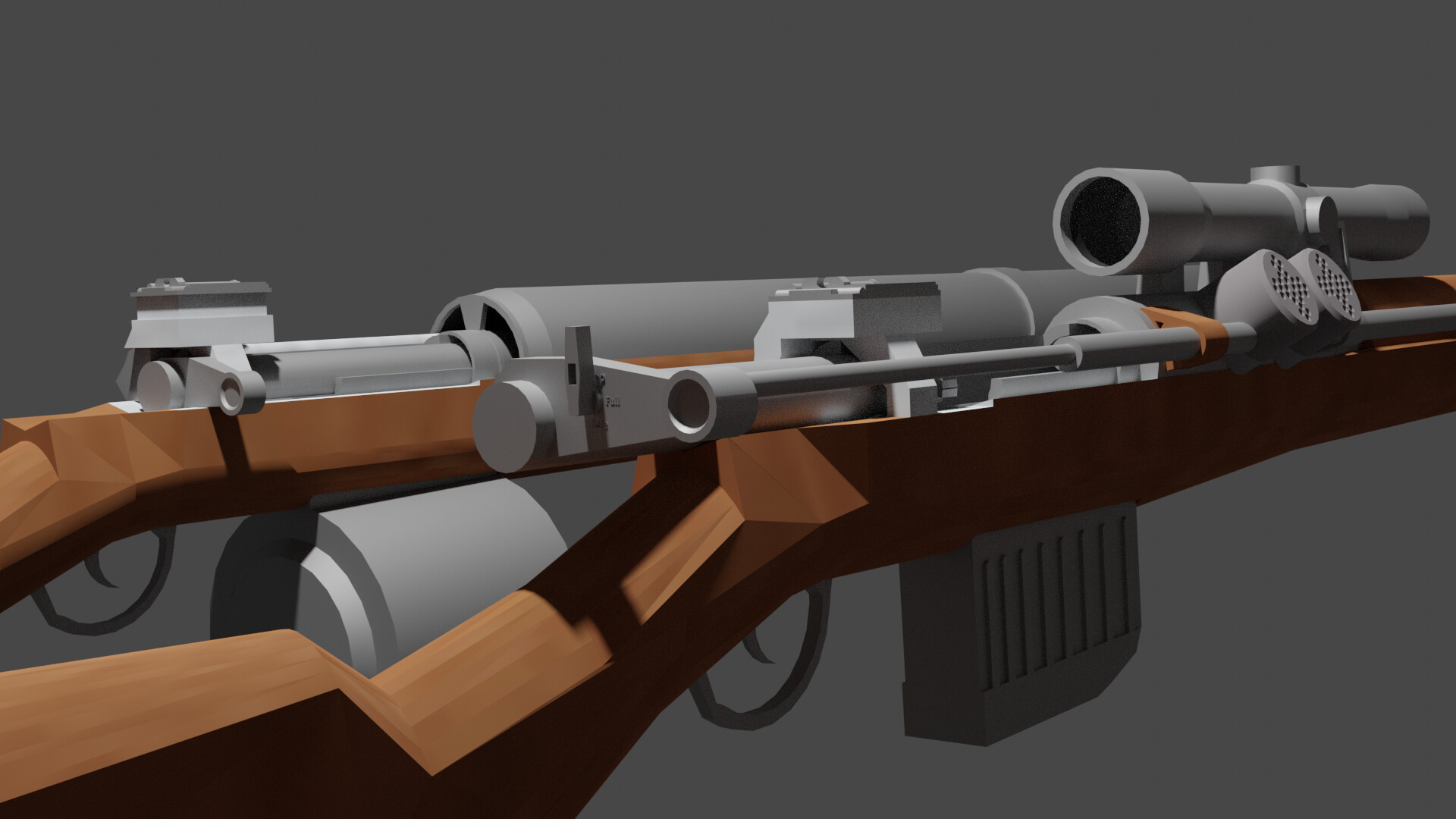
The rifle was fitted with a 3 position fire selector: Safe, Auto and Repetition. (currently in the Repetition position)

The latter Marks of Huot used a forced air cooling system were the operating rod actuates a pair of fans to suck air through the more form fitting shroud
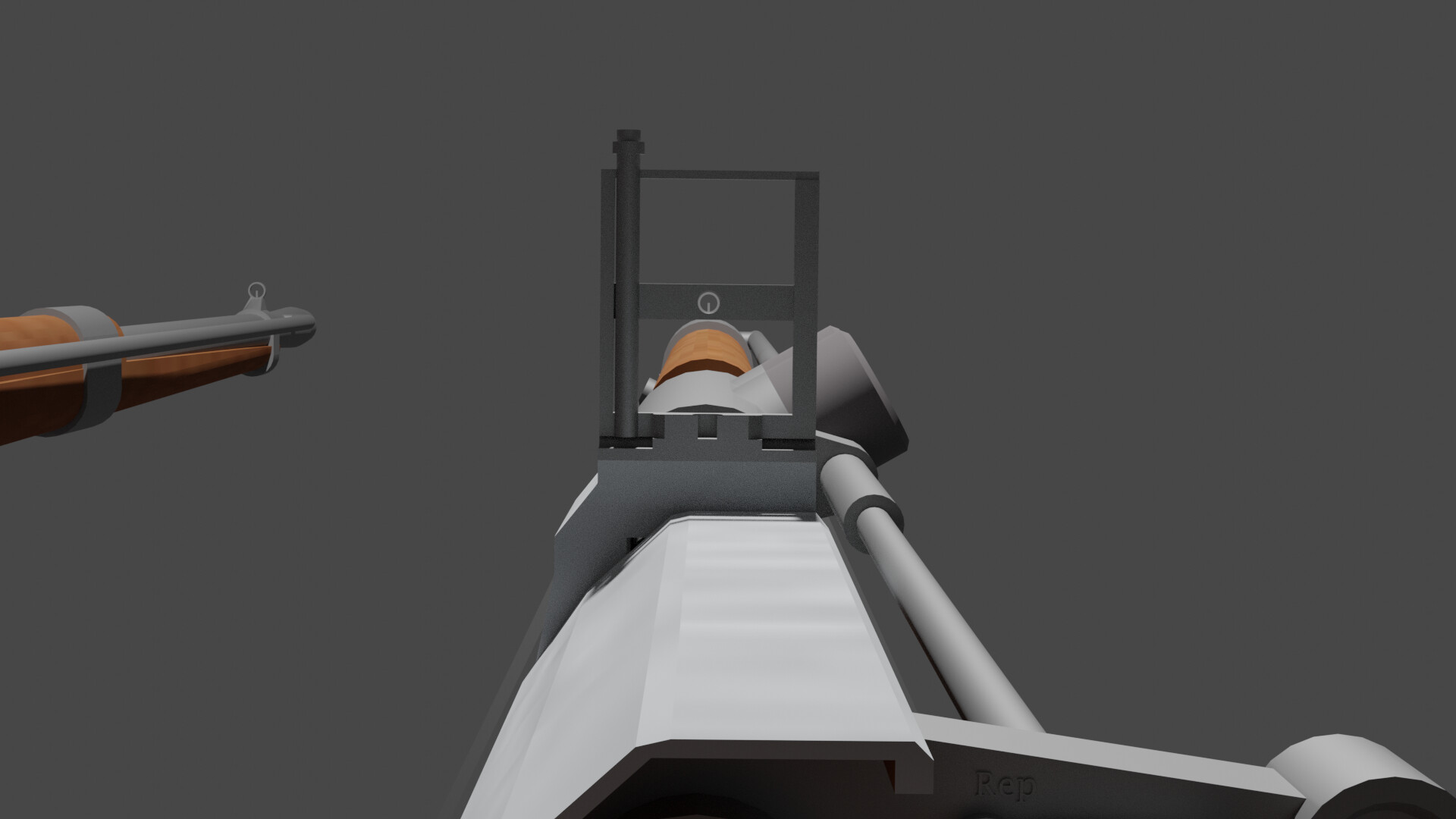
The Huots were issued with flip up sights graduated from 300 to 1000m
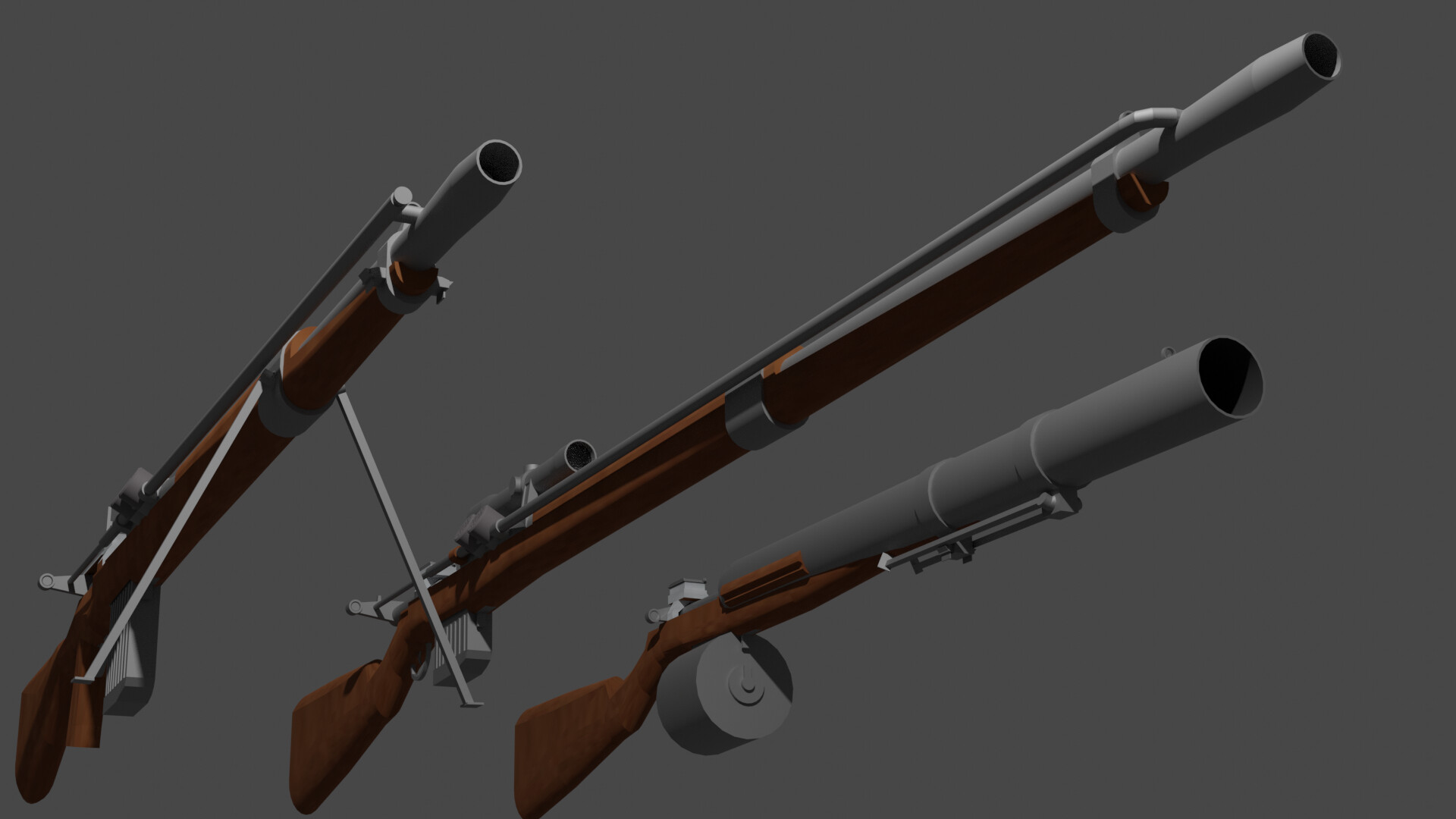
Although the 40 round drum, 5 round box, and 10 round box magazines were interchangeable, you'd be hard pressed to find a marksman with a drum